Two years back I participated in a film screening in Mumbai with the filmmaker themselves who screened their short film. We watched the film from a feminist lens, dissecting the female characters and studying each plot, asking critical questions about how gender and sexuality is shown in mainstream cinema in India. The discussion travelled through each intersection except one – Caste. I immediately pointed it out but didn't see what came next. The room froze in silence. The filmmaker immediately acknowledged my question and answered in a very casual way, “doesn’t every woman face this?” to which I staunchly replied No!
Women aren't homogeneous — and 'woman' itself isn't one settled category. Trans women, non-binary and queer individuals carry these same overlapping burdens of caste, gender, and sexuality, often with even less room to be believed.
I recall this incident while writing this blog because I feel it's a necessity to call out all the feminist film clubs and reading circles which are crowded with women from only one section of society, to be precise, the savarna/ uppered caste. Feminist movements and frameworks often ignore or sideline the issues of marginalized women. May it be white women leading the early feminist wave excluding black women in the west or the savarana women leading the Indian, more broadly South Asian feminist movements excluding the dalits/ adivasi women. It is rather ironic to question the violence and oppression caused by the same patriarchal society which is also a castiest.
Caste isn't an accessory to gendered violence rather it decides who gets believed, who gets protected, who gets to speak
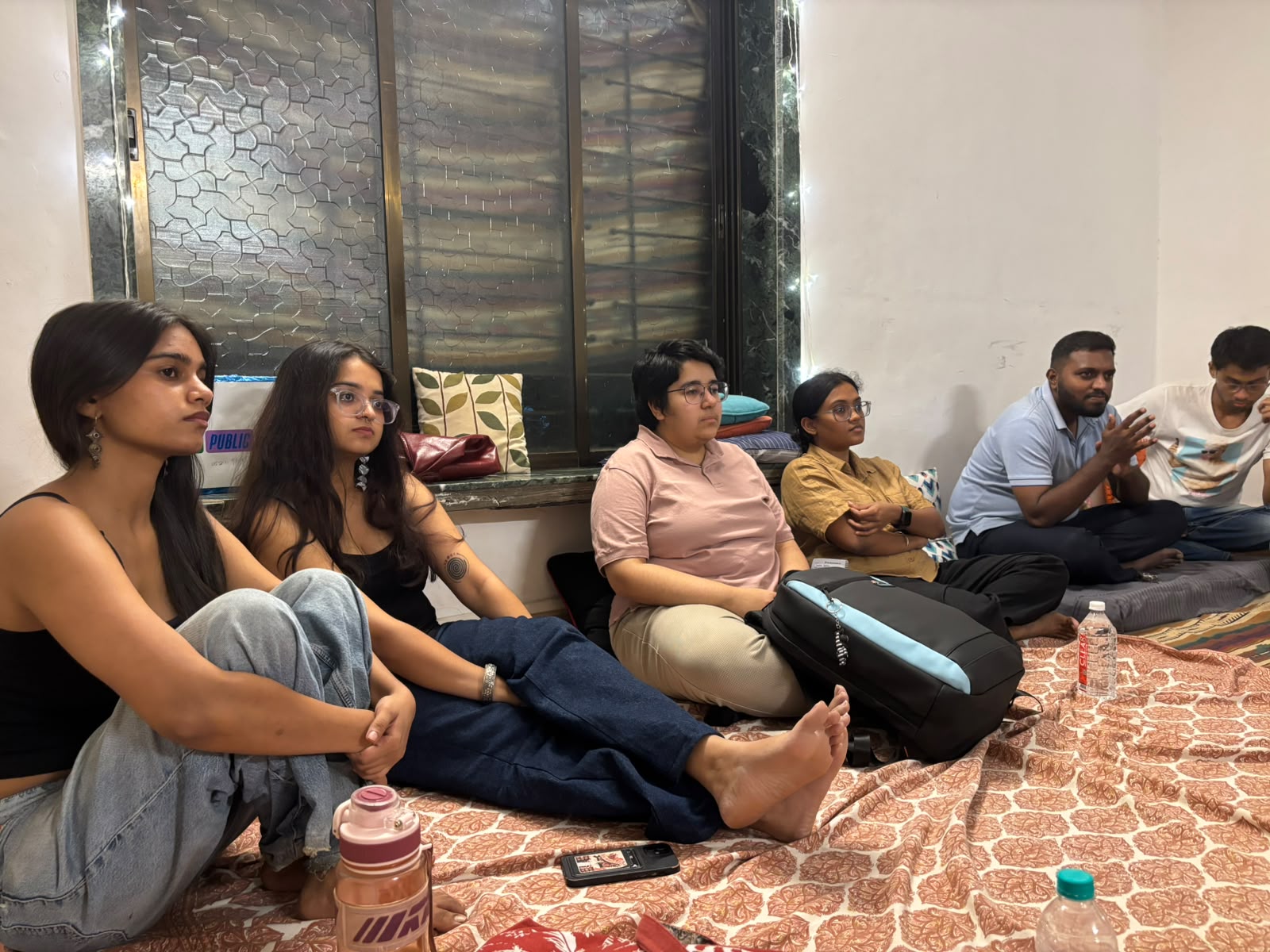
Anti-caste movements in India are strong today, but I experience the same silence there when I question them about gender. Being an Ambedkarite woman and growing up reading books about caste oppression, I always wondered why marginalised women’s experiences are limited and narrated or compiled by somebody else other than themselves? Besides the mainstream, feminist and dalit literature, parallel and anti-caste art, media and popular culture, peculiarly films, I hardly find dalit women being at the center voicing her own story in her own language. Even award winning anti-caste films exclude the portrayal of strong dalit female characters as their protagonist. A simple question still roams: Why do we need a man to tell our stories?
This is where the Olakh collective arose. A space where women belonging to the margins of society, women who were socially excluded, oppressed and discriminated not just by caste system but also the patriarchal system. Women with double and triple burden, women from every religion, region, race, gender, sexuality and caste. The Olakh Collective is a project which doesn’t just empower women to use their voice for emancipation, but to build a sense of community and belonging through reflective complex discussions and build confidence to question the unjust system.
“Language won’t be another criteria to gate-keep knowledge and give access to voices anymore, cinema is an art beyond language”
The Olakh Collective begins with Film Screening followed by discussion in Mumbai as it is the land of Cinema and Cinema shapes our identities. Thus we need to consolidate this identity and negotiate through discussion. Olakh is a marathi word meaning Identity, thus to understand and claim our identity, this collective commence.
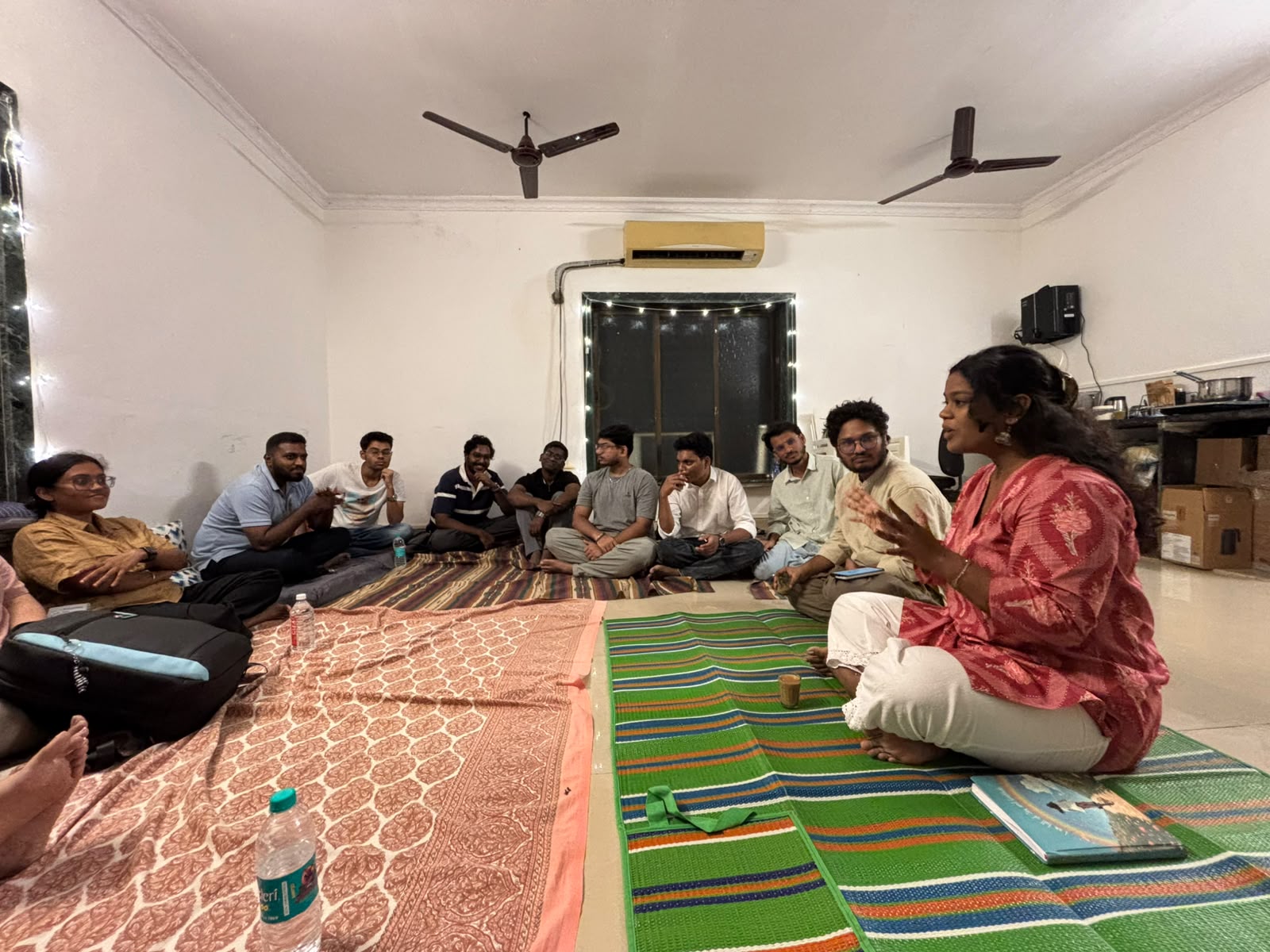
Women from the oppressed caste do not get the contacts, resources, connections and confidence to participate in critically reflective feminist circles as they barely have the capital to access such systematically gated spaces and exclusive communities.
The Olakh Collective changes this. It puts women from oppressed caste communities at the centre, giving them the space to tell their own stories and reflect critically, in conversations that stay accessible, not gatekept. Started in Mumbai, it will grow to other cities, building space for everyone historically pushed to the margins.
This is my first initiative towards building an anticaste feminist project all by myself, it takes nothing but hope and passion to stand by it. This collective begins with a sense of rebellion and active spectatorship and seeks to reclaim identity through art and cinema. Join and become a part of The Olakh Collective and see you in the next film screening.
Jai Bhim!